Kroeung — The Master Spice Paste
គ្រឿង
Kroeung is the pounded lemongrass-and-galangal paste under half of Khmer cooking. Learn the yellow, green, and red kroeung from Siem Reap's kitchens.
By Cambodian Cookbook Kitchen · May 4, 2026
សៀមរាប Siem Reap & AngkorAngkor era, 802–1431
- Prep
- 30 min
- Cook
- 0 min
- Serves
- 6
- Level
- Intermediate
Nothing in the Khmer kitchen is more foundational, or more misunderstood abroad, than kroeung — the pounded paste of lemongrass, galangal, turmeric, garlic, shallot, and kaffir lime that sits beneath amok, samlor, and half the grilled fish in the country. When Zhou Daguan, the Chinese envoy to Angkor, wrote in 1296 of a people who cooked without much regard for the seasonings he knew from home, he was recording a cuisine already built on aromatics the Chinese pantry simply did not have. The bas-reliefs at the Bayon show market women with baskets of the same roots. Kroeung is not a recipe so much as a grammar: learn it and the rest of the book conjugates itself.
The work is in the pounding, and the pounding is the point. A blender chops; a granite mortar tears open the fibres of lemongrass and galangal and lets their oils bleed into the paste, which is why a hand-pounded kroeung smells like standing in the market and a blended one smells like a good idea. Yellow is the mother sauce — sunset-coloured, turmeric-warm, lemongrass-sharp. From her you get green by pounding in a fist of basil at the end, and red by starting with soaked dried chillies. Make it the morning you need it, keep your salt in early, and do not, whatever the hour, apologize to the mortar.
Pound in order of hardness — lemongrass and galangal first, soft turmeric and garlic last. A blender bruises where a mortar tears; give it the mortar.
ពាក្យពីចុងភៅ · A word from the kitchen
Ingredientsគ្រឿងផ្សំ
Serves 6
០ of ១០ gathered
Yellow kroeung (the everyday base)
To turn it green
To turn it red
Methodវិធីធ្វើ
Step 1: Prep the fibrous roots
Slice the lemongrass, galangal, and turmeric as thin as you can bear to. The mortar rewards patience here: every millimetre you cut is a minute you save pounding, and turmeric will stain your board saffron for a week.
Step 2: Pound hardest to softest
Start with lemongrass and salt and pound to a coarse wet grit. Add galangal, then turmeric, then garlic and shallots, working each in before the next. Finish with the shredded lime leaf. You are tearing, not chopping.
Step 3: Read the paste
Yellow kroeung is done when it is a smooth, damp, sunset-coloured mash that holds together on the pestle and smells green and sharp. It should take fifteen to twenty minutes by hand and feel like a small act of devotion.
Step 4: Branch into green or red
For green kroeung, pound in the basil and extra lime leaf at the very end so the herbs stay bright. For red, pound the softened chillies in first, before the lemongrass, so their skins break down completely.
ឧបករណ៍ · The tools
Equipment
Granite mortar & pestle
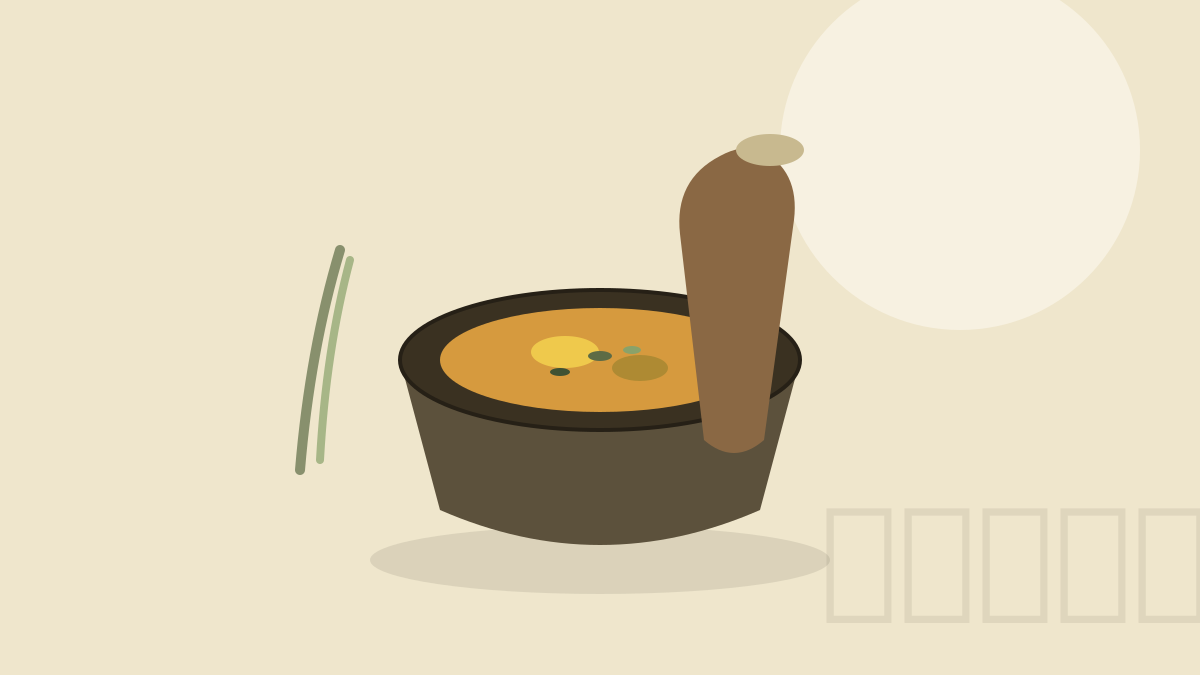
ត្បាល់THE Cambodian tool. Kroeung is pounded, never blended — the stone bruises fibre and oil out of lemongrass and galangal in a way a blade only chops. Buy the heaviest one you can lift.
Shop on Amazon →
Equipment links are Amazon affiliate links. As an Amazon Associate we earn from qualifying purchases, at no cost to you. Disclosure.
Questions from the kitchen
Can I use a food processor instead of a mortar?
You can, and on a weeknight you will. Add a splash of water to keep the blades moving and pulse in stages. It will taste good; it will not taste pounded. The mortar tears cell walls the blade only chops, and the perfume is the proof.
How long does kroeung keep?
A week in the fridge under a film of oil, or freeze it in tablespoon pucks for three months. Cambodian cooks rarely store much — kroeung is made the morning it is needed, which is why every market sells it fresh by nine.
What is the difference between the three colours?
One backbone, three moods. Yellow is the lemongrass-turmeric base for amok and most samlor; green adds basil and extra lime leaf for grilled fish and cha; red folds in dried chilli for the coconut curries. Learn yellow and you have all three.
បន្ទាប់ · Cook next