Grilled Snakehead Fish
ត្រីរាស់អាំង
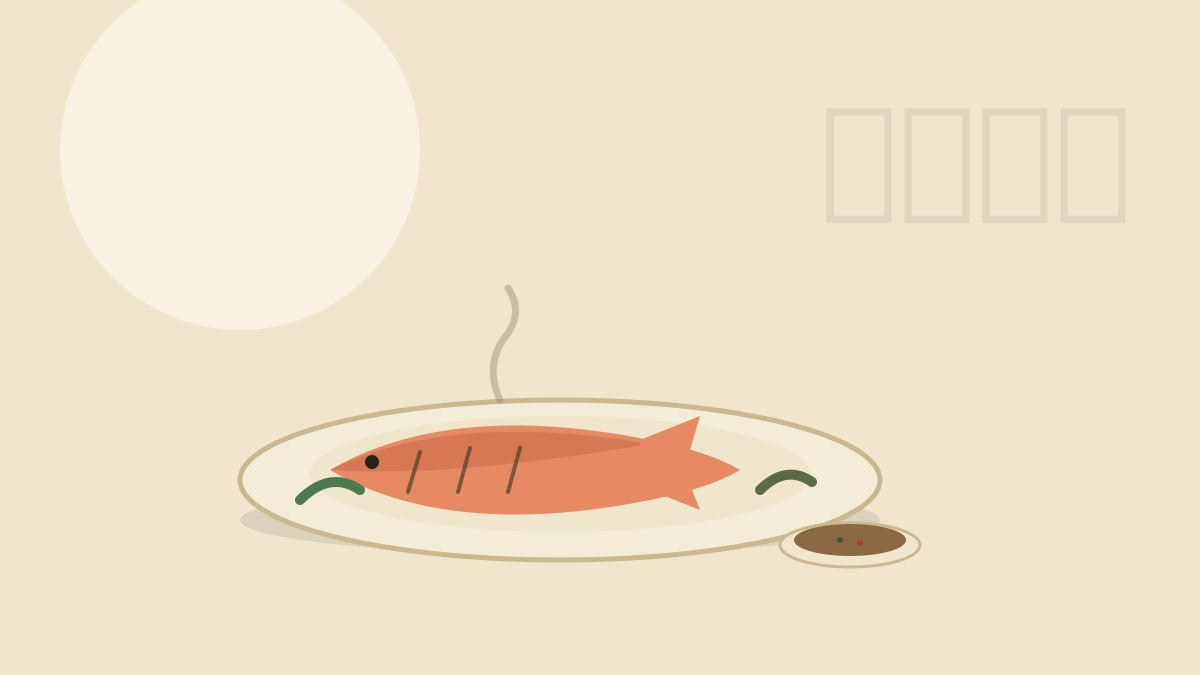
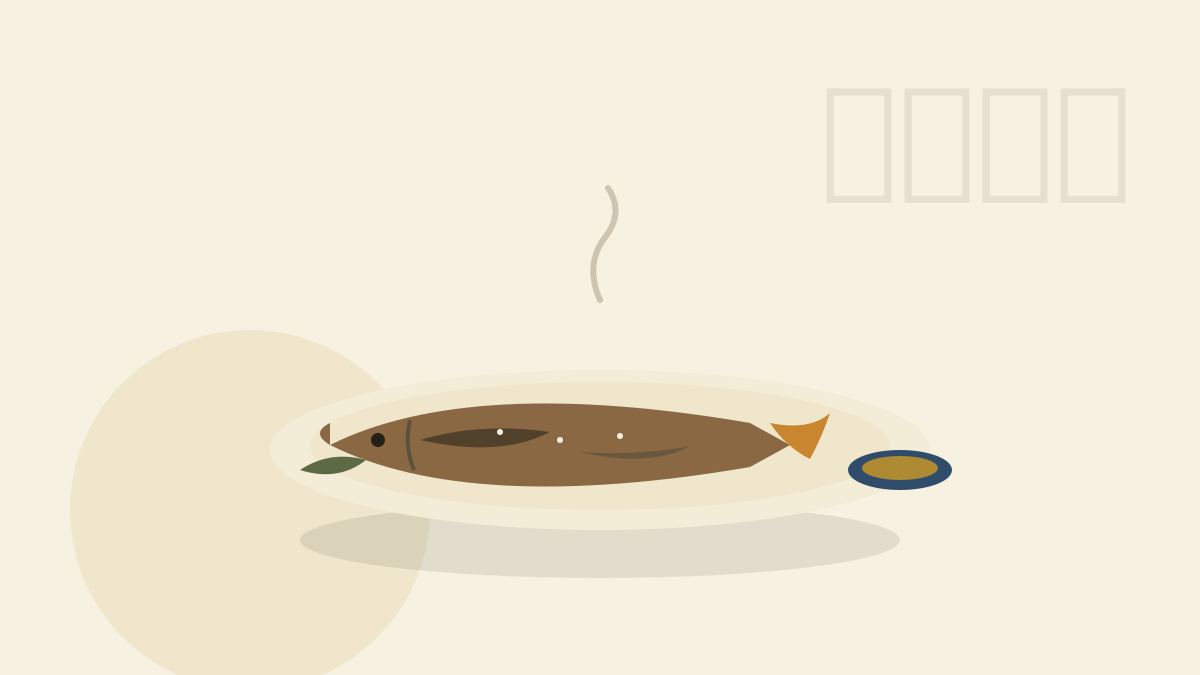
Trey ros ang is a whole snakehead grilled over charcoal in a jacket of salt, split open and eaten with rice paper, herbs and a fiery lime dip — lake feast.
By Cambodian Cookbook Kitchen · June 12, 2026
ទន្លេសាប The Tonlé SapAngkor era, 802–1431
- Prep
- 20 min
- Cook
- 35 min
- Serves
- 4
- Level
- Intermediate
The snakehead — trey ros — has been the lake's prize fish for as long as anyone has kept count, and Zhou Daguan, watching Angkor eat in 1296, would have seen these same fish hauled from the same water and set over the same coals. Grilling a whole one in a jacket of salt is the oldest and simplest way to honour it: no kroeung, no coconut, nothing to hide behind — just fish, fire, salt and smoke. It is feast food precisely because it is unfussy. You cook one big fish, split it in the middle of the table, and let everyone build their own bite. The Tonlé Sap has always eaten this way, communally and with its hands, and the dish has never needed improving.
The technique is mostly about heat management and patience. Steady coals, a salt crust to protect the skin, one confident turn, and the discipline to leave it alone until the dorsal fin lifts clean. The tuk trey dip does the seasoning work — sour, salty, sweet, hot, thin enough to soak a rolled parcel — so the fish itself can stay pure. What arrives is a whole charred snakehead and a table covered in herbs, rice paper and cucumber, and an hour of everyone reaching across each other to build the next bite. That reaching is the meal.
A whole fish is done when the dorsal fin pulls out clean — stop testing with a knife and start testing with your fingers on that fin.
ពាក្យពីចុងភៅ · A word from the kitchen
Ingredientsគ្រឿងផ្សំ
Serves 4
០ of ១៥ gathered
The fish
To eat with
Tuk trey dip
Methodវិធីធ្វើ
Step 1: Salt-jacket the fish
Pat the fish bone dry, tuck the bruised lemongrass in the cavity, and press the coarse salt over the whole skin to form a crust. The salt seasons the flesh and, more importantly, protects the skin over the fire so the fish steams inside its own jacket while the outside chars.
Step 2: Grill over steady coals
Grill over medium charcoal, not raging flames, turning once when the first side is deeply charred — about fifteen minutes a side for an 800 g fish. Snakehead is a firm, meaty fish that rewards patience; rushing it splits the skin and dries the flesh.
Step 3: Mix the tuk trey
Stir the fish sauce, lime, dissolved palm sugar and water, then add garlic, chilli and peanuts. Taste for the classic Khmer table dip — sour and salty in front, sweet behind, hot throughout, thin enough to spoon over a rolled parcel. Adjust with water if it is too intense.
Step 4: Split and serve as a wrap
Bring the whole fish to the table and split it open along the spine so everyone can pull flakes. Each person builds their own parcel — rice paper or lettuce, vermicelli, herbs, cucumber, a flake of fish — and dunks it in the tuk trey. Half the meal is the ceremony of assembling it.
ឧបករណ៍ · The tools
Equipment
Charcoal grill
ចង្ក្រានអាំងCambodian grilling is charcoal grilling — sach ko ang, grilled fish, skewers. The smoke is half the flavour, and a small clay or steel grill is all you need.
Shop on Amazon →Fish grill basket
ចង្អេរអាំងA hinged wire clamp that holds a whole fish or a raft of small ones over the coals and lets you flip everything at once without tearing the skin.
Shop on Amazon →
Equipment links are Amazon affiliate links. As an Amazon Associate we earn from qualifying purchases, at no cost to you. Disclosure.
Questions from the kitchen
Why snakehead specifically?
Snakehead — trey ros — is the Tonlé Sap's great eating fish: firm, meaty, low in tiny bones and superb over fire. It is what a lake cook reaches for when the grill comes out. Any firm whole fish grills the same way, but snakehead is the taste of the lake at a feast.
My grill isn't charcoal — will gas or an oven work?
They will, though you lose the smoke that is half the point. A very hot grill pan or a broiler gets you a charred skin and cooked flesh; finish it close to a flame for a minute if you can, for at least a hint of that charcoal note.
Do I eat the skin?
Absolutely — the salt-crusted, charred skin is the best part, and it lifts off in blistered sheets. Brush away the loose salt before serving so it seasons rather than overwhelms, and let people take the skin as they pull the flesh.
បន្ទាប់ · Cook next