Num Chak Kachan — Layered Palm Sugar Cake
នំចាក់កាចាន់
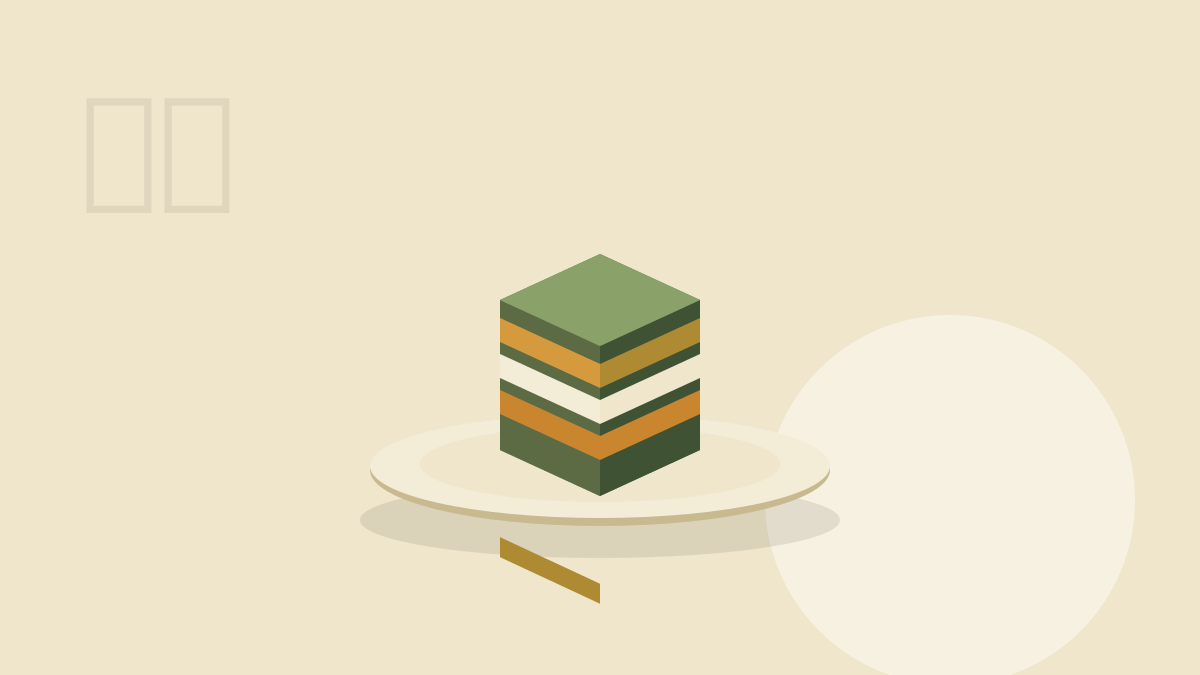
Num chak kachan is the striped steamed cake of the south — pandan-green and palm-gold layers of rice flour and coconut, built one thin pour at a time.
By Cambodian Cookbook Kitchen · June 20, 2026
តាកែវ Takéo & the SouthChenla era, c. 550–802
- Prep
- 40 min
- Cook
- 60 min
- Serves
- 12
- Level
- Intermediate
Steamed layered cakes travel the whole of Southeast Asia, but in the palm-sugar country of the south they take on the colour of the place: gold from the smoky teuk t'not tapped off the trees outside, green from pandan grown in the same wet lowlands. Num chak kachan is patient food, built one thin translucent layer at a time over an hour of steam, and it belongs to the unhurried rhythm of the delta that has been settled since Chenla consolidated the old Funan lands. It is not a festival cake so much as a market pride — the kind a stall-holder slices into striped diamonds and lays out to show she can, because a clean chak kachan is proof of a steady hand.
The recipe is almost nothing and the technique is almost everything. One thin coconut batter, split and tinted two ways, poured layer by layer into a hot tin with each stripe set before the next arrives. Thin pours, full sets, no shortcuts: that is the entire craft, and the reason a good one has crisp bands while a rushed one blurs into a single gummy slab. The palm-sugar layers carry the south's particular smoke and the pandan layers answer with grassy perfume, so each bite alternates between them. Cool it completely, slice it cold, and you have the most quietly show-off sweet in the Takéo repertoire — hours of small patience made visible in a stack of stripes.
Patience is the recipe — each layer must set before the next is poured, so a good chak kachan is an hour of thin pours and a lesson in not rushing.
ពាក្យពីចុងភៅ · A word from the kitchen
Ingredientsគ្រឿងផ្សំ
Serves 12
០ of ៨ gathered
The base batter
To colour and sweeten
Methodវិធីធ្វើ
Step 1: Mix one batter, split it
Whisk the flours, coconut milk and salt into one smooth thin batter, then divide it in two. Stir the melted palm sugar into one half and the strained pandan juice plus white sugar into the other. Both should pour like cream.
Step 2: Set the steamer and the tin
Have a lidded steamer at a hard boil and a shallow oiled tin or cake pan warming inside it. Working with a warm tin means each layer begins to set the moment it lands, which is the whole trick to clean stripes.
Step 3: Pour the first layer
Ladle a thin layer of one batter into the hot tin — a few millimetres, no more — cover, and steam five to seven minutes until it is set and no longer liquid to the touch. Thin is the discipline here; a thick layer stays gummy inside and blurs into the next.
Step 4: Build the stripes
Pour the next layer of the other colour over the set one and steam again. Keep alternating gold and green, waiting for each to set before the next goes in, until the batters are gone — usually eight to twelve layers. Stir each batter before pouring so it does not separate.
Step 5: Cool fully before cutting
Steam the last layer a few minutes longer, then let the cake cool completely — an hour at least — before turning it out. Warm chak kachan tears; cold, it slices into clean striped diamonds with a lightly oiled knife. The stripes are the reward for the waiting.
ឧបករណ៍ · The tools
Equipment
Tiered steamer
សម្ភារៈចំហុយStacked tiers for amok cups, steamed cakes, and fish — gentle, even heat that sets custards without breaking them. A wide pot with a rack stands in.
Shop on Amazon →
Equipment links are Amazon affiliate links. As an Amazon Associate we earn from qualifying purchases, at no cost to you. Disclosure.
Questions from the kitchen
Why do the layers matter so much?
The stripes are the identity of the cake — chak kachan means poured in plates or layers, and a good one shows crisp alternating bands. The only way to get them is thin pours, each fully set before the next. Rush it and you get a single muddy slab that tastes fine but is not chak kachan.
Can I use other colours?
Yes — southern cooks tint layers with butterfly-pea blue, a deeper palm-sugar brown, or leave some coconut-white. Keep the flavours simple so the cake stays about texture and sweetness rather than turning into a paint set. Two or three colours reads as elegant; a rainbow reads as a birthday.
Mine turned out gummy — what happened?
Layers poured too thick, or not steamed long enough to set before the next. Keep each pour to a few millimetres and give it a full five to seven minutes. Too little tapioca starch also leaves it soft; it is the starch that gives the clean, sliceable set.
បន្ទាប់ · Cook next