Num Plae Ai
នំប្លែអាយ
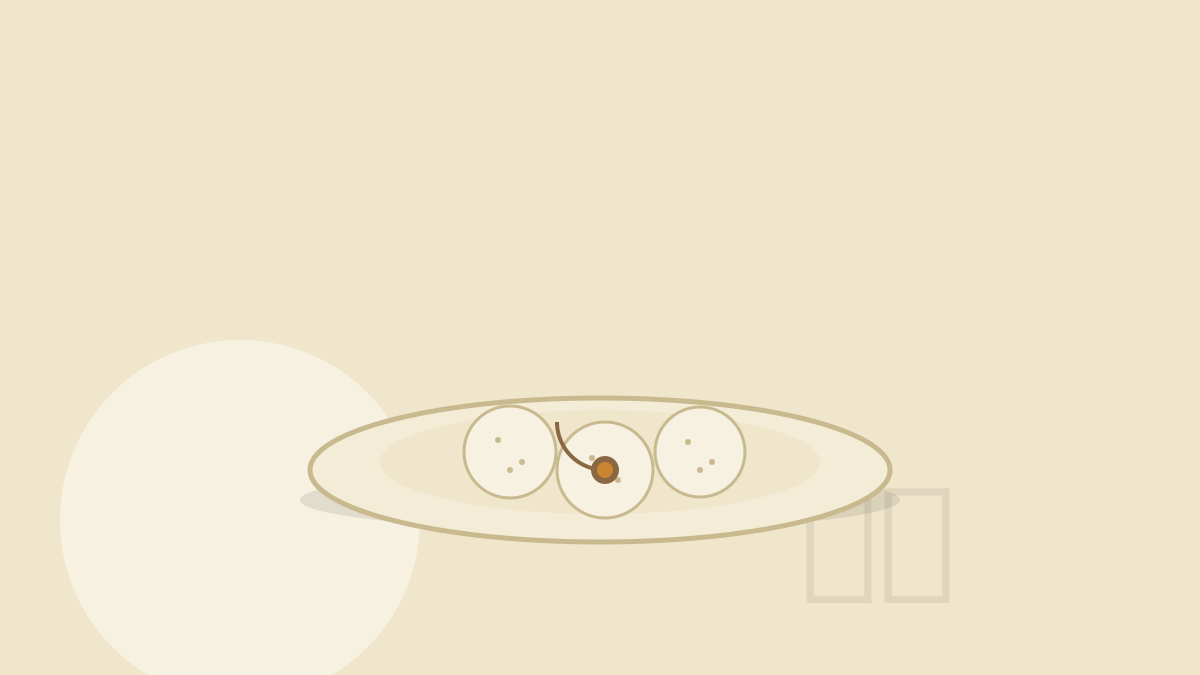
Chewy rice-flour balls hiding a molten palm-sugar center, rolled in fresh grated coconut and salt — the Khmer sweet that pops when you bite it.
By Cambodian Cookbook Kitchen · May 22, 2026
មេគង្គ Along the MekongLongvek & Oudong era, 1431–1863
- Prep
- 45 min
- Cook
- 15 min
- Serves
- 5
- Level
- Intermediate
The story goes that num plae ai is a test disguised as a treat: hand a new daughter-in-law the tray and watch whether the sugar stays put. It is a Middle-Period sweet, from the centuries when the capitals had moved down to the rivers and palm sugar country was a day's oxcart from the court — cheap, festive, and made in bulk for Khmer New Year and for merit days at the wat. Along the Mekong it turns up at every festival stall, rolled while you wait, the vendor's thumb denting each ball to check the seam. The name is half a joke; "plae ai" lands somewhere near "little bursting fruit," which is exactly what it does.
The trick is all in the seal. Flatten a walnut of dough in your palm, set a nugget of hard palm sugar dead center, and pinch the dough closed over it with no crack and no trapped air — then roll it smooth so the seam disappears. Drop them into gently rolling water and wait; they sink, then bob up when done, maybe three minutes. Fish them straight into the salted grated coconut and roll to coat while still wet. Eat one too soon and the center scalds; eat one at the right moment and it gives way to a thread of warm caramel against sweet-salt coconut. That contrast — salt in the coconut against sugar in the core — is the whole architecture.
Pack the sugar core dry and small. A wet or oversized center blows out in the water and you lose the whole point of the sweet.
ពាក្យពីចុងភៅ · A word from the kitchen
Ingredientsគ្រឿងផ្សំ
Serves 5
០ of ៧ gathered
The dough
The filling and finish
Methodវិធីធ្វើ
Step 1: Mix a soft dough
Work the warm water into the glutinous rice flour with a pinch of salt, adding the liquid slowly. You want an earlobe-soft dough that holds together without cracking, not a wet one that slumps.
Step 2: Prep the sugar and coconut
Chop the palm sugar into small hard nuggets and toss the salt through the grated coconut. The salt in the coconut against the sugar in the core is the whole architecture of the sweet, so do not skip it.
Step 3: Fill and seal each ball
Flatten a walnut of dough in your palm, set a sugar nugget dead center, and pinch closed with no crack and no trapped air. Roll smooth so the seam vanishes — a bad seal blows out in the water and you lose the molten center.
Step 4: Boil until they float
Drop the balls into gently rolling water. They sink, then bob to the surface when done, about three minutes; give them another thirty seconds once they rise so the core fully melts.
Step 5: Roll in salted coconut
Fish them straight from the water into the salted coconut and roll to coat while still wet and tacky. Scatter with toasted sesame and eat within the hour, but not so soon the center scalds your mouth.
ឧបករណ៍ · The tools
Equipment
Sticky-rice basket
ចង្អេរThe cone-shaped bamboo basket that steams soaked glutinous rice into fluffy, separate grains — the way sticky rice is meant to be cooked, not boiled.
Shop on Amazon →
Equipment links are Amazon affiliate links. As an Amazon Associate we earn from qualifying purchases, at no cost to you. Disclosure.
Questions from the kitchen
Why did my rice balls split open in the water?
Either the seam was cracked or the sugar core was too large or too wet. Keep the filling to a small dry nugget and pinch the dough fully closed, then roll it smooth so there is no weak point for the boiling water to find.
Can I use brown sugar instead of palm sugar?
In a pinch, but you lose the smoky caramel note that defines the sweet. If you must substitute, use dark muscovado pressed into firm nuggets and chill them briefly so they hold their shape while you seal the dough.
បន្ទាប់ · Cook next