Sraa Peang — Rice Jar Wine
ស្រាពាង
An honest home explainer for sraa peang, the communal rice jar wine of the Bunong and Jarai highlands, drunk warm through shared reed straws.
By Cambodian Cookbook Kitchen · June 2, 2026
រតនគិរី Ratanakiri & MondulkiriFunan era, c. 68–550 CE
- Prep
- 60 min
- Cook
- 45 min
- Serves
- 12
- Level
- Advanced
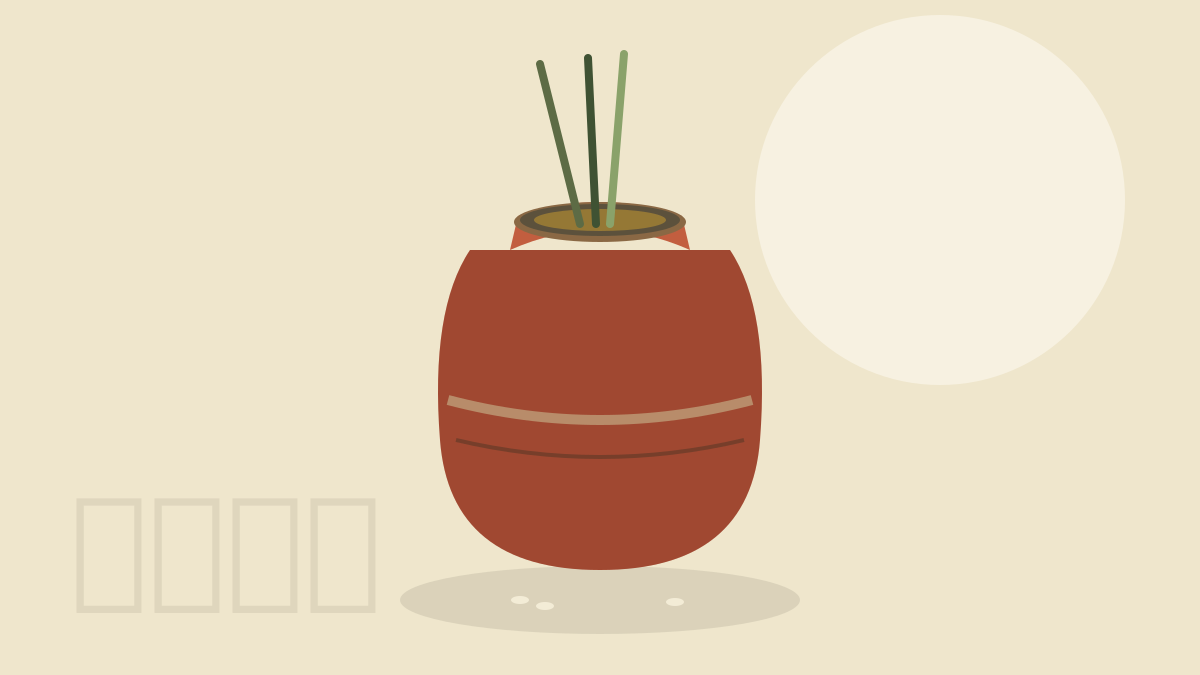
Long before the delta kingdoms and the temple cities, the peoples of these highlands were fermenting rice in earthenware jars — sraa peang is older than any capital, a drink woven into the ceremonial life of the Bunong, Jarai, and their neighbours. A sealed jar is not a bottle you pour; it is a vessel opened for a wedding, a funeral, a harvest, or an honoured guest, set in the middle of a gathering and drunk warm through long communal straws passed hand to hand as water is topped up and the level falls. To write it down as a recipe is to be honest about a home-brew: the numbers here are a starting frame, not a laboratory, and the ritual around the jar matters as much as anything inside it.
The craft is fermentation, and fermentation is mostly discipline. Everything the mash touches must be scalded clean, because a single contaminated surface turns the whole jar to vinegar. Steam the rice, cool it to warm-on-the-wrist, and fold in the pounded starter cakes — the men or ragi that carry the moulds and yeasts doing the real work. The mash sweetens in a few days, then turns to wine over one to three weeks; longer means drier and stronger. When it is time, top the jar with cool water, set in the reed straws, and understand that you are not serving a drink so much as opening a circle. Keep your hands out, keep it clean, and let the jar keep its own time.
Cleanliness is the whole game — one dirty vessel and you brew vinegar, not wine. Scald everything, keep your hands off the mash, and be patient.
ពាក្យពីចុងភៅ · A word from the kitchen
Ingredientsគ្រឿងផ្សំ
Serves 12
០ of ៥ gathered
The mash
For serving
Methodវិធីធ្វើ
Step 1: Cook and cool the rice
Steam the rice until just done, not mushy, then spread it thin on a scalded tray and cool it to blood-warm. Adding starter to hot rice kills the culture; adding it to cold rice stalls it. Warm to the wrist is the target.
Step 2: Crush and fold in the starter
Pound the yeast cakes to a fine powder and sprinkle it evenly through the cooled rice, tossing gently with a scalded spoon. Every grain wants contact with the culture, but do not compact the mash — it needs air to begin.
Step 3: Pack the jar and let it work
Layer the mash into a scrupulously clean earthenware jar, cover the mouth with clean cloth, and leave it warm and dark. In two to three days it turns sweet and smells of ferment; that sweet stage is the first sign it is alive.
Step 4: Seal, age, and top with water
Seal the jar and age it a further one to three weeks — longer means stronger and drier. To drink, top the jar with cool boiled water, set in the reed straws, and share it warm, refilling with water as the level drops.
ឧបករណ៍ · The tools
Equipment
Granite mortar & pestle
ត្បាល់THE Cambodian tool. Kroeung is pounded, never blended — the stone bruises fibre and oil out of lemongrass and galangal in a way a blade only chops. Buy the heaviest one you can lift.
Shop on Amazon →Tiered steamer
សម្ភារៈចំហុយStacked tiers for amok cups, steamed cakes, and fish — gentle, even heat that sets custards without breaking them. A wide pot with a rack stands in.
Shop on Amazon →Sticky-rice basket
ចង្អេរThe cone-shaped bamboo basket that steams soaked glutinous rice into fluffy, separate grains — the way sticky rice is meant to be cooked, not boiled.
Shop on Amazon →Coffee sock filter
តម្រងកាហ្វេThe cloth-bag filter behind Cambodian iced coffee — brews a thick, dark cup that stands up to condensed milk and ice. Cheap, and it makes the real thing.
Shop on Amazon →
Equipment links are Amazon affiliate links. As an Amazon Associate we earn from qualifying purchases, at no cost to you. Disclosure.
Questions from the kitchen
Is home-brewed rice wine safe to make?
Traditional starter ferments are made across Southeast Asia daily and are safe when your vessels are scrupulously clean and you keep the jar sealed from contamination. The real risks are spoilage and bad hygiene, not the wine itself; if it smells of nail polish or rot, pour it out and start again.
What does the shared straw ritual mean?
Among the Bunong, Jarai, and other highland peoples, a jar of sraa peang is opened for weddings, funerals, harvests, and honoured guests, and drunk in turn through long communal straws while water is topped up. It is a rite of welcome and reciprocity, not a casual drink.
How strong does it get?
Home jars land somewhere in the range of a light-to-moderate wine, milder near the mouth of the jar and stronger as you draw it down. Aging longer and topping with less water both push it higher; there is no precise home ABV.
បន្ទាប់ · Cook next